OPINION REPORT 3:
The Swedish Formula: Why Are We Addicted to Nordic Design?
A Ranking That Reflects a Consumer Shift
The release of the 2024 Global Fashion IP Rankings – FASHION IP 100 by the Fashion Exchange reveals a compelling shift: once-niche designer brand Lemaire has dethroned long-reigning streetwear giants like Supreme, Yeezy, and Fear of God. This signals not only the erosion of streetwear dominance but also the rising prominence of minimalist, style-driven Nordic brands such as Acne Studios, Toteme, and Our Legacy—all of which broke into the Fashion IP 100 this year. Acne Studios ranked No.2, maintaining its Top 10 status for the second consecutive year; Toteme debuted at No.10; and Our Legacy climbed six spots from last year. For the first time in the ranking’s six-year history, all Top 10 positions were claimed by designer-led brands.
The ascent of stylistic, culture-led brands—particularly those from Sweden—signals more than just a shift in industry dynamics; it reflects a broader response to global economic turbulence and a recalibrated Chinese consumer mindset. The question emerges: why are Chinese consumers falling out of love with logos? And how have once-niche Nordic brands transformed into new market darlings? The answer lies in a deep restructuring of consumer logic.
The Anti-Trend Victory of Nordic Brands
Over the past year, a wave of investment has flowed into Nordic fashion from major global players. LVMH Luxury Ventures acquired a minority stake in Our Legacy; Danish cycling label Pas Normal Studios secured backing from Archive Srl, the investment firm owned by Moncler’s founding family; and Swedish outdoor brand Haglöfs entered a joint venture between its parent company LionRock HK and the Li Ning family’s private entity.
In China, expansion has followed swiftly. Toteme, after receiving minority investment from the European family office Altor Fund V, launched its first store in Shanghai, followed by new locations in Nanjing, Chengdu, Hangzhou, and Shenzhen. In June 2024, Acne Studios upgraded its Beijing Taikoo Li store into a flagship—now one of the brand’s largest globally. These moves, paired with their rankings in the 2024 FASHION IP 100, underscore an “anti-trend” victory: Nordic fashion and lifestyle brands—once labeled niche or alternative—have won over global investors and captured the imagination of Chinese consumers.
In addition to Acne Studios (No.2), Toteme (No.10), and Our Legacy (No.88), two Danish brands—Anine Bing (No.65) and Ganni (No.34)—also entered the Top 100. Nordic brands now account for five of the Top 100 entries, ranking just behind the US (26), China (24), Japan (16), and France (13), and overtaking traditionally strong markets like Italy and the UK.
The rise of Nordic brands is both a reflection of investor foresight and a barometer of shifting cultural sentiment. As economic uncertainty and value-driven consumption gain traction, Chinese consumers are turning away from symbol-based consumption and leaning toward self-expression. Nordic brands, with their quiet aesthetics and sustainable philosophies, resonate with a growing desire for balance, self-care, and thoughtful living—a desire rooted in the Nordic concept of Lagom, or “just enough.”
• “Lagom”: The Slow Healing Power of Nordic Philosophy
“Lagom” is a cornerstone of Scandinavian living—a philosophy of moderation, balance, and comfort in one’s own rhythm. The term reportedly originates from the Viking tradition of sharing one beer in fair measure among all. Its essence—“not too little, not too much”—champions restraint, equality, and mindful living.
For overworked Chinese consumers navigating hyper-competitive urban life, this ethos offers a powerful emotional release. It affirms their right to reclaim time, define their own pace, and curate a life of personal meaning beyond productivity.
This shift is observable in Chinese digital behavior. On lifestyle platform Xiaohongshu, posts tagged with “self-rewarding” themes surged over 63%, with commercial content growing by more than 108%. Buzzwords such as “relaxed,” “healing,” “being yourself,” and “freedom” dominate the feed. The viral hashtags #CityWalk, #20MinutesInTheParkEffect, and #SlowLife reflect a collective yearning for pause. The “Slow Life Festival” on Xiaohongshu garnered over 100 million views in 30 days, with related posts up 180% YoY—touching every major consumer sector.
Nordic brands are tapping directly into this emotional landscape. By embedding brand values into lifestyle rituals and championing cultural meaning over trend-chasing, they are positioning themselves not just as fashion players—but as allies in the pursuit of a more intentional life.
• Acne Studios: Aesthetic Intelligence Meets Cultural Literacy
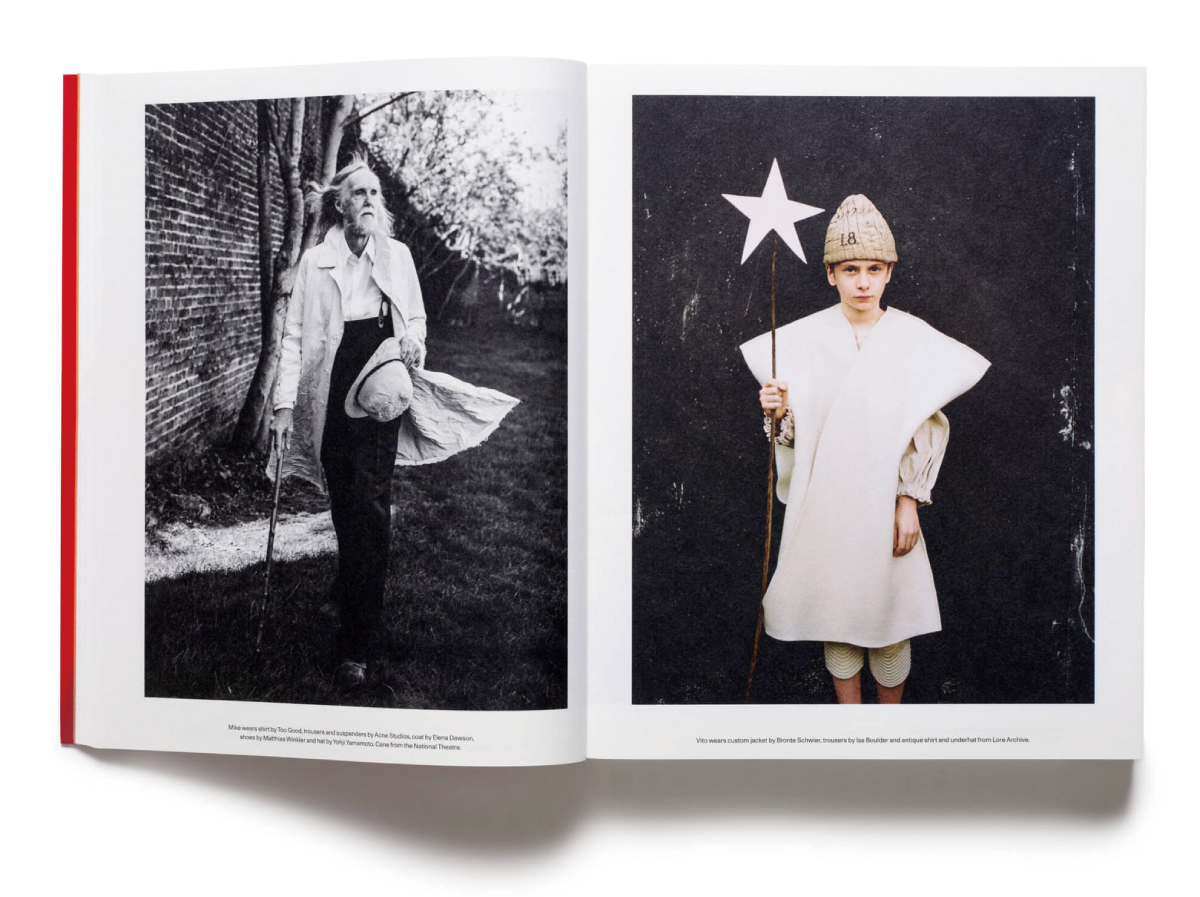
For Nordic brands, cultural resonance starts with values. Acne Studios exemplifies this with its cross-disciplinary publication, ACNE PAPER. Through collaborations with artists, philosophers, and photographers, the magazine has become a symbol of intellectual taste and slow culture. Interviews with emerging creatives, tributes to female film icons, and humanistic essays turn the reading experience into a deeply immersive cultural journey.
This strategy reinforces brand depth and elevates the customer experience beyond transactional fashion consumption. It’s also a reflection of “democratic design”—a principle rooted in Scandinavian design heritage, which prioritizes functionality, beauty, and accessibility for all.
In fact, ACNE PAPER is intentionally priced to be widely accessible, often found in European kiosks and subway newsstands. Its cultural currency spreads Nordic design values far and wide, building long-term brand equity among audiences who seek meaning, not just merchandise.
• Our Legacy: Where Minimalism Meets Individualism
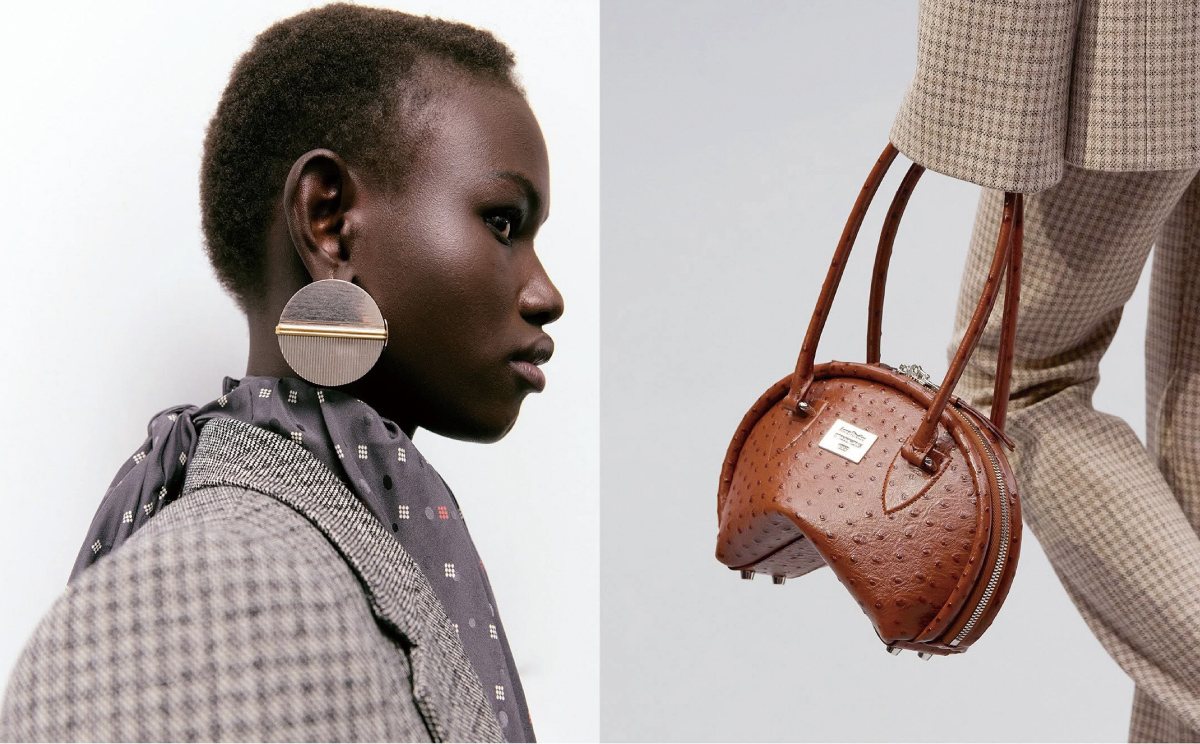
Swedish menswear label Our Legacy has emerged as a leader in the “Quiet Cool” movement—a term used by LVMH Luxury Ventures to describe its blend of modern minimalism and creative edge. Its restrained yet distinctive aesthetic sits somewhere between Quiet Luxury and streetwear, offering an alternative to both.
This balance of utility, edge, and simplicity echoes the philosophy of Lagom: modest, never flashy, always personal. LVMH’s bet on the brand reflects confidence in the loyalty generated by this understated, expressive appeal.
The numbers speak volumes: from €8 million in 2021 to €40 million in 2024, Our Legacy’s revenue has soared. The brand now operates over 200 global retail touchpoints and 7 standalone stores. China is already its fifth-largest market, with more than 35 retail points. As LVMH Luxury Ventures CEO Julie Bercovy notes, Our Legacy is well-positioned to evolve from niche to mainstream—precisely because it aligns with a consumer cohort eager to express identity in nontraditional ways.
• Toteme: Subtracting to Add Meaning
Minimalism is not about absence, but essence. A core tenet of Scandinavian design since the early 20th century, the “less is more” philosophy—originating with German architect Ludwig Mies van der Rohe—prioritizes utility, longevity, and timeless elegance over fleeting trends.
Toteme, founded by Swedish fashion influencer Elin Kling, is a masterclass in this ethos. On its 10th anniversary during the Spring/Summer 2025 New York Fashion Week, fashion critics noted: “A touch of lemon yellow blooms quietly amid a palette of black, white, and gray—like a delayed aurora lighting up Scandinavian skies.”
In its early days, Toteme stood in quiet defiance of the logo-heavy streetwear boom. From camel wool coats to striped turtlenecks and contrast-trim scarves, Toteme focuses on timeless wardrobe staples designed for repeat wear. As Kling explained, “Toteme designs uniform pieces that women can wear across different occasions—we’re building wardrobes.”
By subtracting trend and noise, Toteme has created space for long-term value and emotional depth. In China, repeat-purchase rates at Toteme stores have reached 45%—a testament to the power of building timeless “classic stacking” habits in a culture shifting away from fast fashion premiums.

Rethinking Consumption: A Paradigm Shift
The global rise of Nordic brands is not merely a matter of taste. It marks a paradigmatic shift in consumer logic. As the once-dominant streetwear culture loses steam after a decade-long reign—dragged down by logo fatigue and creative stagnation—consumers are moving toward brands that offer substance, not spectacle.
Nordic brands stand at the forefront of this evolution. With design rooted in longevity, culture, and purpose, they embody a new kind of premium—one defined not by price or hype, but by resonance. Their ascent proves that when novelty fades, meaning remains. What was once a game of hype is becoming a long game of trust.
Conclusion: Who Will Shape the Next Decade?
The rise of Nordic fashion is a redefinition of “consumption” itself—not as the accumulation of goods, but as the curation of meaningful time. As Japanese philosopher Masakazu Yamazaki once said: “Consumption, beneath the surface of spending, is ultimately about the pursuit of a fulfilling life.”
In a world growing weary of fast fashion’s speed and superficiality, Nordic brands offer a slower, smarter alternative. They are becoming “friends of time”—winning loyalty not through novelty, but through relevance. By embodying the values of “less but better,” sustainability, and lived-in elegance, they are reshaping fashion’s future.
To lead the next decade, brands must possess three core strengths:
1.Narrative Power – the ability to translate local culture into global relevance;
2.Product Strength – the ability to protect meaning with sustainable innovation;
3.Symbiotic Strategy – the ability to co-create value with users, not just sell to them.
Nordic brands may have already offered an answer. At its core, fashion is not trend—it is the quiet echo of how we choose to live.
复制成功!